Recent translation work

Rien que des mots. Précisément.

Bernard Pivot (French cultural journalist), Les mots de ma vie (The Words of My Life, Albin Michel, 2011)

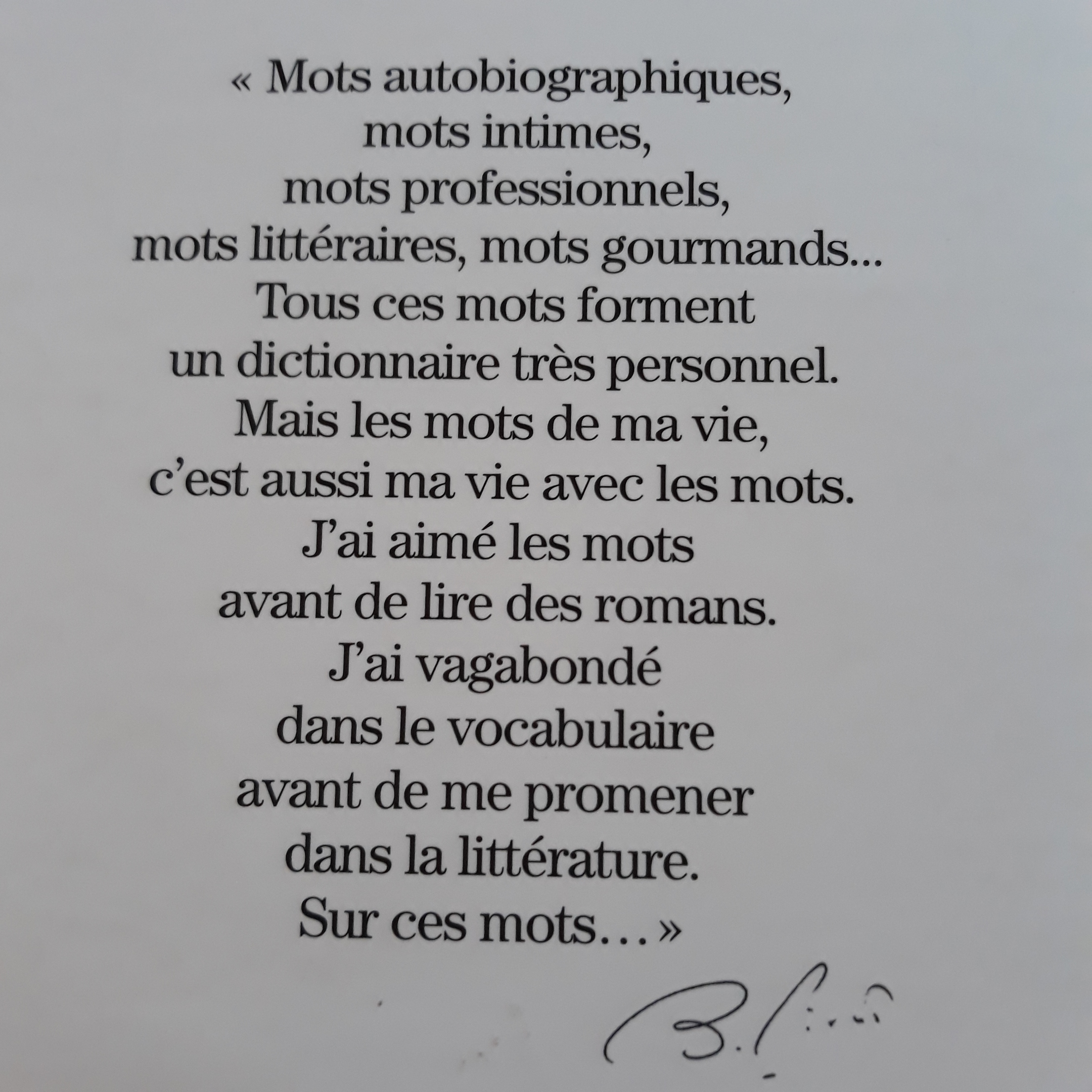
“Autobiographical words, intimate words, professional words, literary words, delectable words… All these words constitute a highly personal dictionary. But the words of my life also represent my life with words. I fell in love with words before I read novels. I wandered around the vocabulary before I explored literature. And on those words…”

As I might say … Nothing but words. Exactly.
mots

Tool of the trade

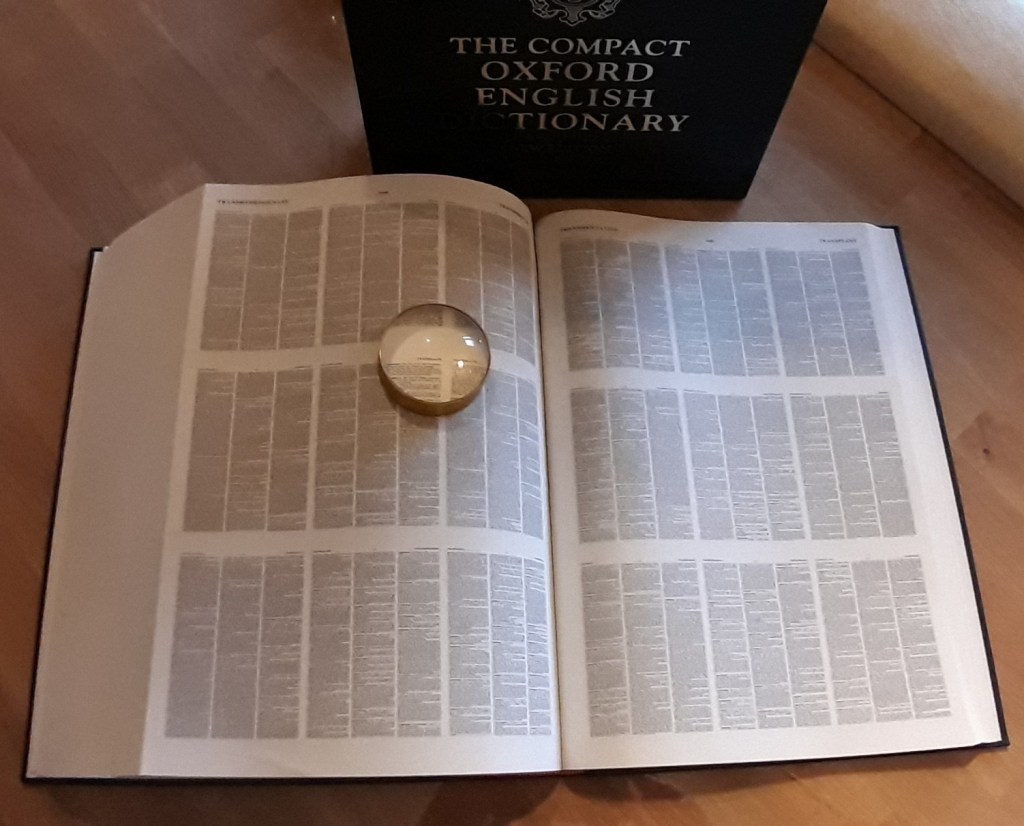
Always dreamt of owning the Compact Oxford English Dictionary. It arrived in the post today, and it’s beautiful. The pages on gossamer paper each corresponding to nine pages of the complete edition, the magnifying glass, the sheer heft of the thing, the tactile old-school feel of the print version. And it’s now a legitimate expense for my translation business.

Slavery (2021)

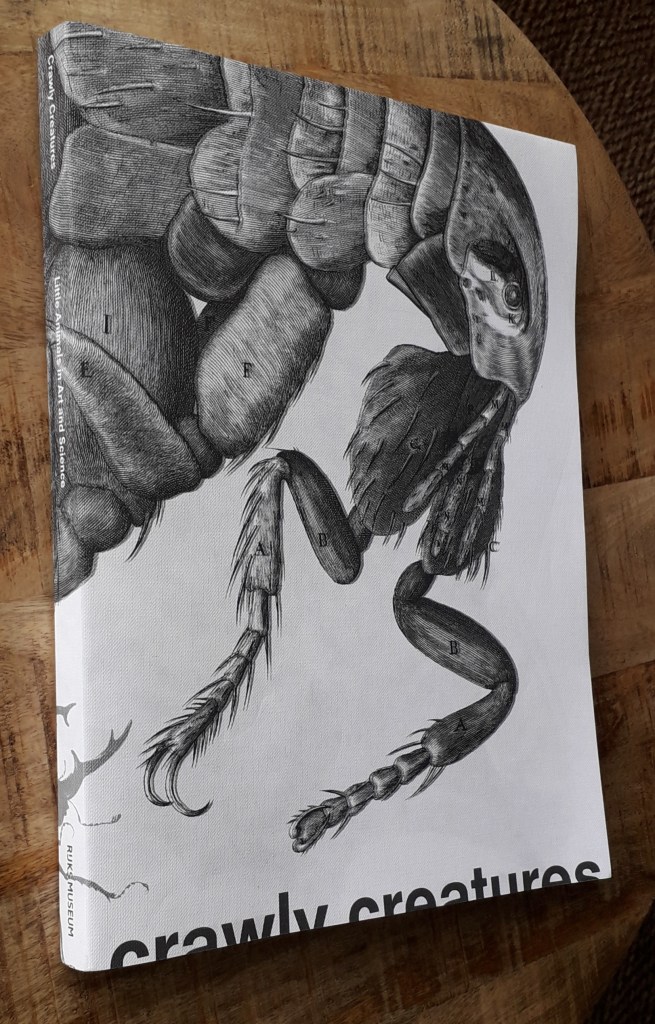
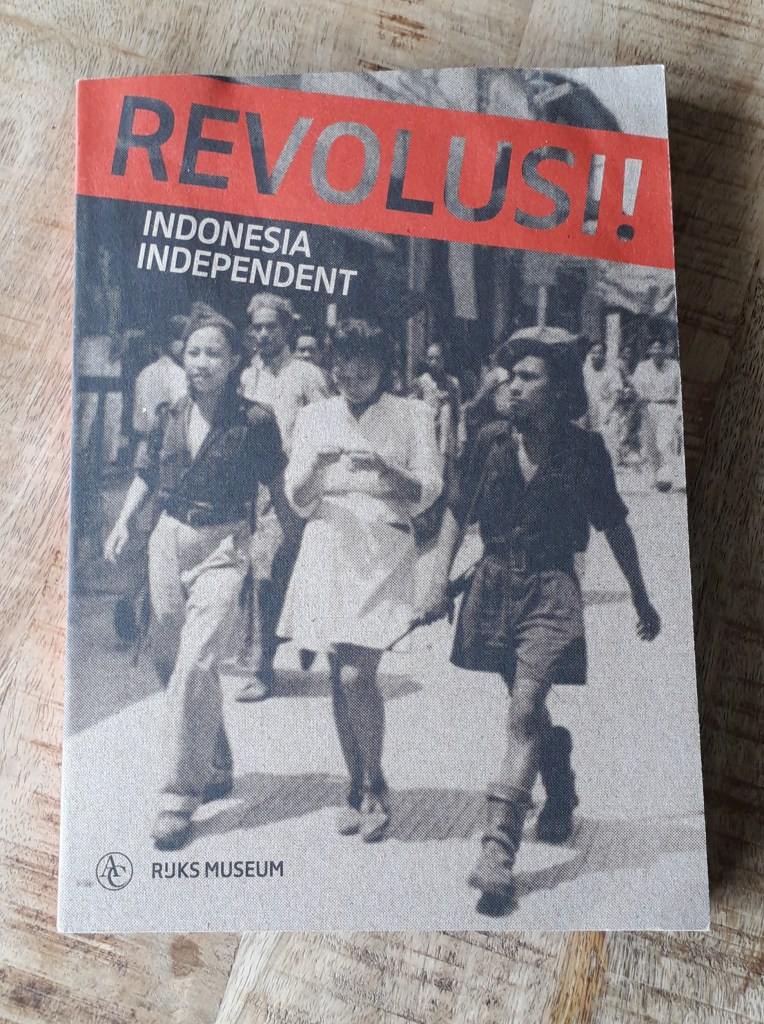
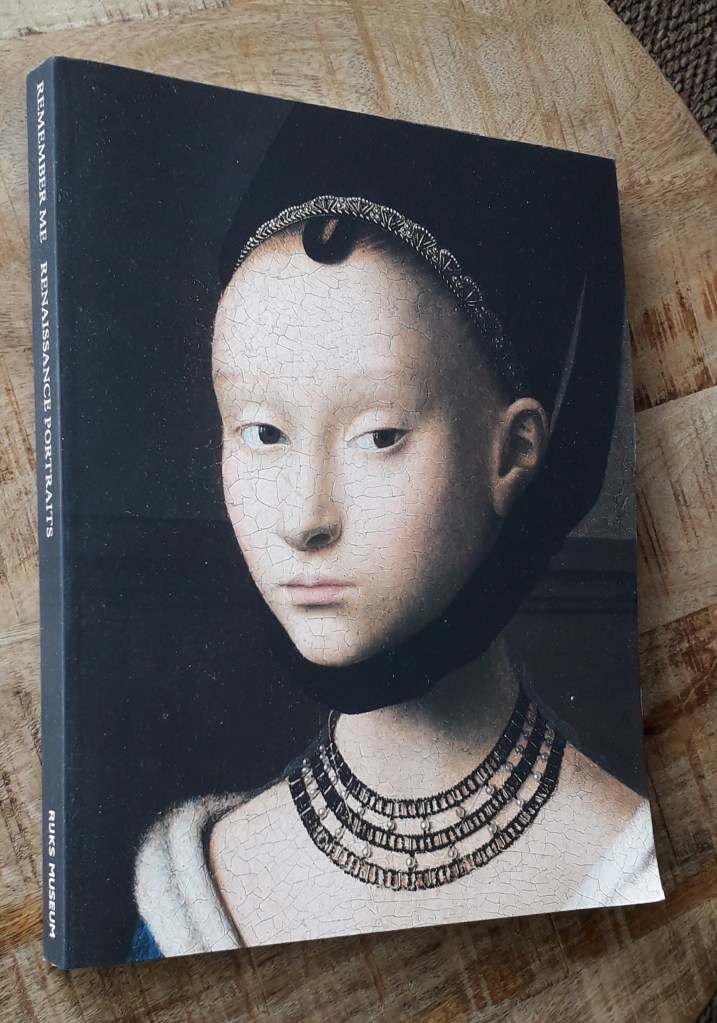
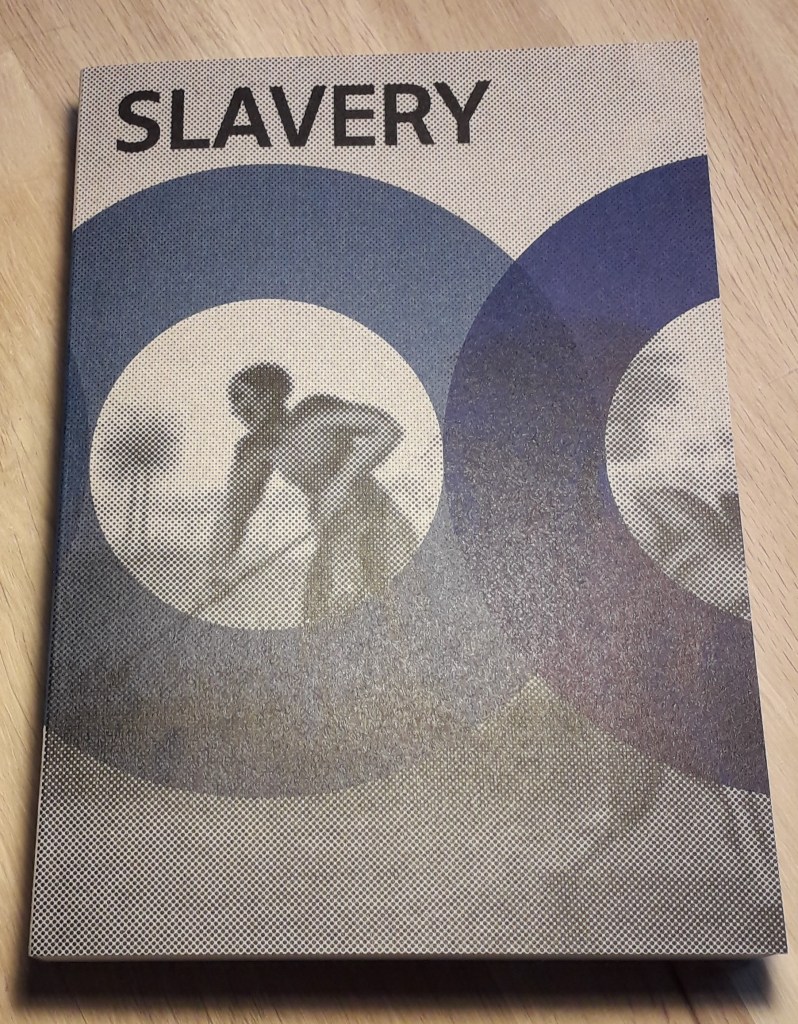
Honoured to have been asked to translate nine of the fourteen texts in the exhibition catalogue of the Rijksmuseum’s 2021 exhibition Slavery: The Story of João, Wally, Oopjen, Paulus, Van Bengalen, Surapati, Sapali, Tula, Dirk, Lohkay – a landmark examination of Dutch involvement in slavery and the slave trade during the colonial era, as well as the continuing legacy of that involvement, through the personal stories of ten individuals, ‘people who suffered under the slavery system, people who rose in resistance against it, and people who profited from it’.

The feel of an actual book

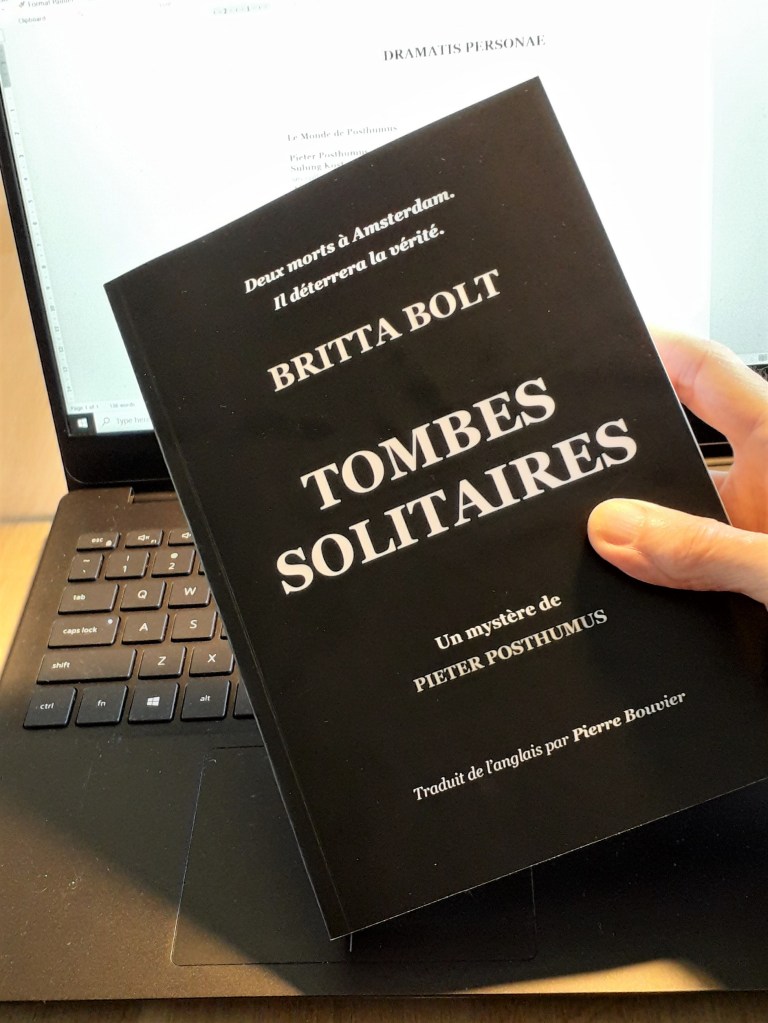
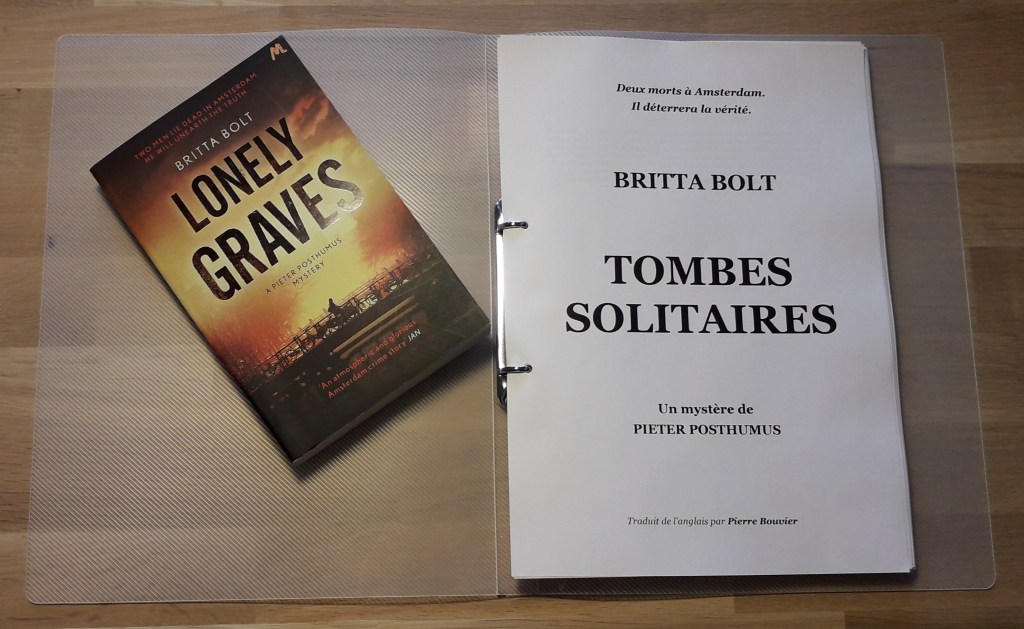
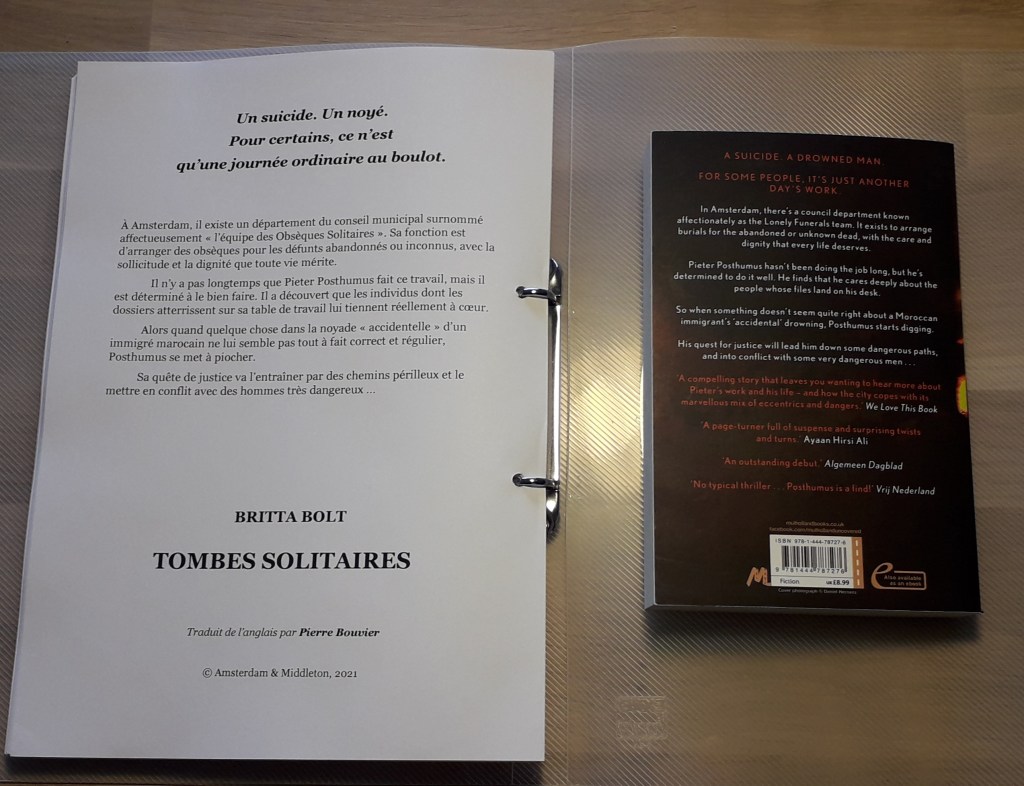
Lonely Graves / Tombes Solitaires

Sometimes translation is just a labour of love:
When my friend, the novelist and travel writer Rodney Bolt, in collaboration with Britta Böhler, wrote Lonely Graves (2014), the first volume of the Pieter Posthumus trilogy
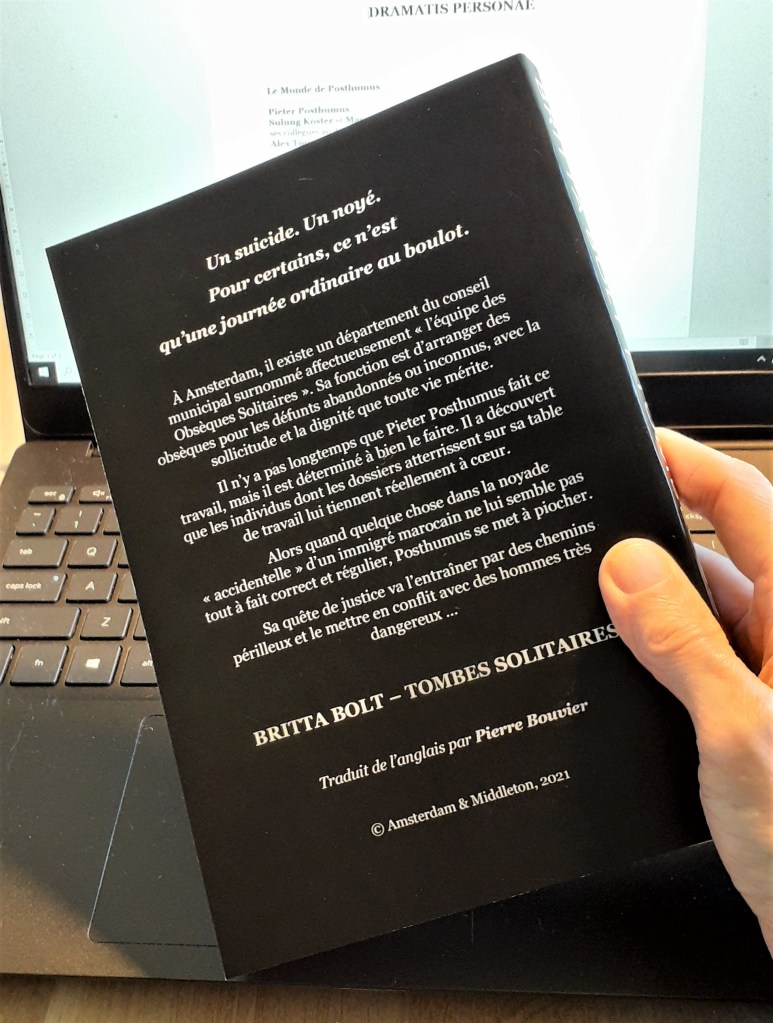
set in Amsterdam, featuring a tenacious civil servant who investigates mysteries he stumbles across in the course of his work for a city department that deals with the abandoned or unidentified dead
(including providing a ‘Lonely Funeral’ to those who remain unclaimed – the City of Amsterdam really does this),
my mother, a fan of Rodney’s work, commented that it was too bad that no French translation existed
(a Dutch translation was published, first, as Heldhaftig (2012) and a German translation followed as Das Büro der einsamen Toten (2014)),
because she would have liked to share the book with francophone family and friends who would appreciate it.
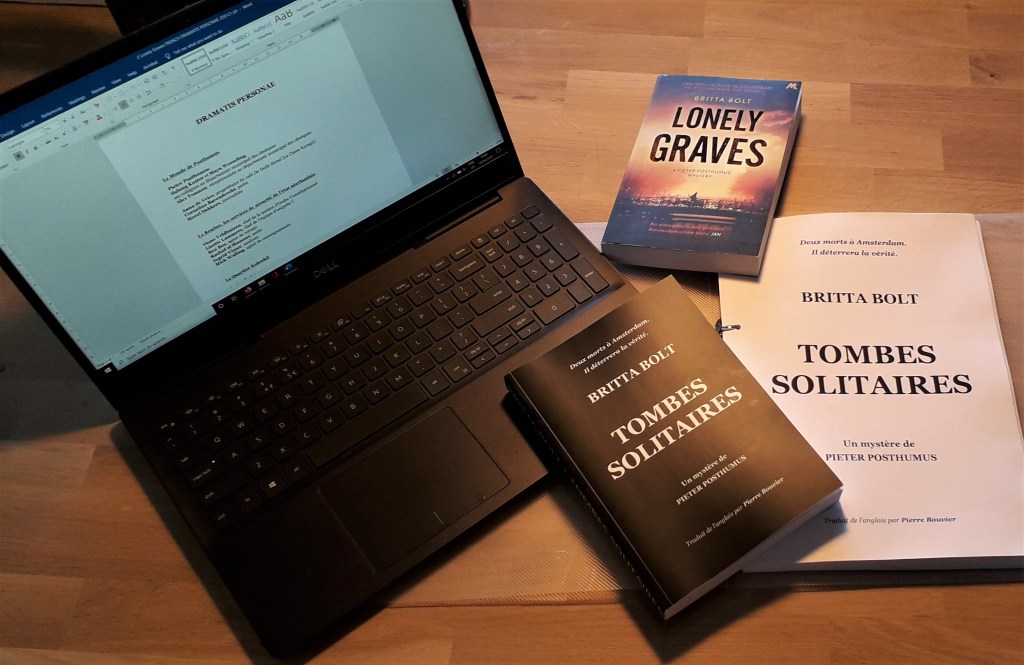
She suggested that I should translate it into French, with her assistance as editor and proofreader, as a personal project to that end, the result of which I could also present to Rodney to do with whatever he pleased.
I thought it an intriguing but daunting idea (having done little English-to-French translation by then, as opposed to French or Dutch to English, and never before of a literary text); I set it aside.
Until the pandemic struck last year and professional commissions dwindled, an ideal time for a private endeavour.
And Lonely Graves is genuinely a page-turner of such calibre that the translation flowed almost effortlessly. I began on 22 January 2021 and was finished with the first draft (which I actually altered only minimally thereafter) on 11 February.
It was an absolute pleasure to translate Rodney’s atmospheric, detailed, witty and exciting Mokum crime novel into French. My mother and father provided invaluable help as readers, editors and proofreaders.
And it was an even greater pleasure to (nervously) surprise Rodney with the finished work, which he received with grace and delight – I could not have asked for a better reaction. This was a true labour of love (which also cemented my confidence in translating fiction in the future, and from English into French as well as the other way round) that brightened a bleak pandemic winter, and I am immensely proud of Tombes Solitaires, both as a translation and as a gift of friendship.
But should any crime fiction publisher happen to read this, Pieter Posthumus definitely deserves to be introduced to a new audience in the francophone world. À bon entendeur

Unterwasserbuch Revisited (2020)

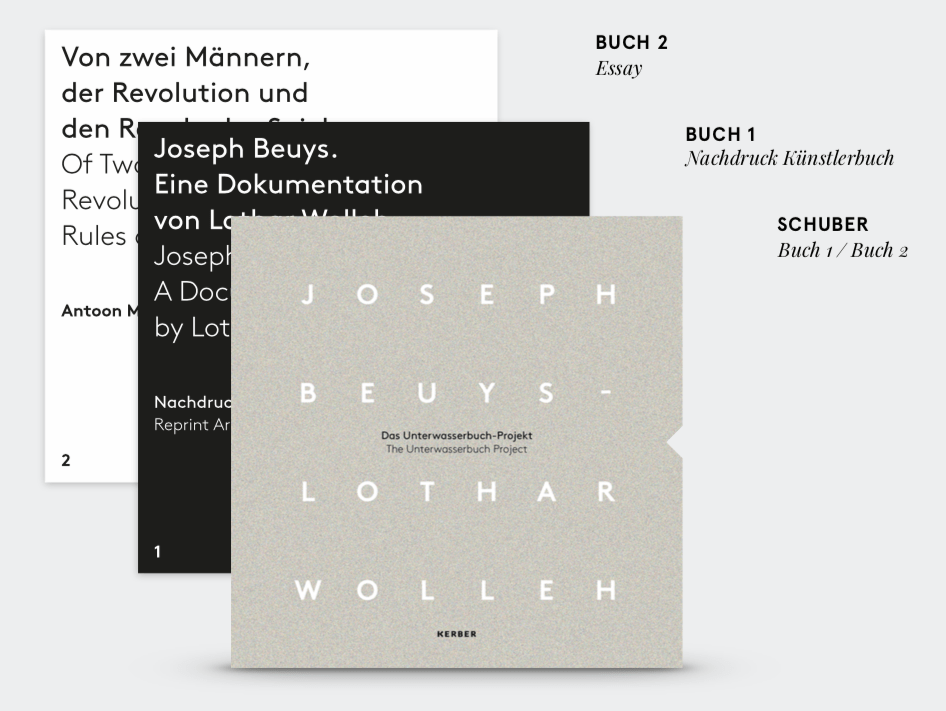
Just as for countless others, 2020 was a dark and very lean year for me, the pandemic delaying or scuttling projects and decimating clients’ budgets. One bright spot, however, was translating art historian Antoon Melissen’s elucidating essay on the context of the famed Unterwasserbuch (Underwater Book), a 1971-1972 collaboration between artist Joseph Beuys (1921-1986) and photographer Lothar Wolleh (1930-1979), which has now been reissued as a 2-box cassette (containing a reprint of the original publication, the new essay and other text material, as well as prints unearthed in archival research), just in time for the Beuys centenary in 2021. A year in which we can all hope to come back up to the surface…